

Between the subway squeeze, laptop glow, and marathon-weekend training, your body absorbs more stress in a day than most people realize. And when the muscles start signaling—tightness, irritation, that low-grade crankiness—the standard advice is always the same: just rest. But rest alone doesn't always fix what your tissue is telling you. This idea sits at …

Between the subway squeeze, laptop glow, and marathon-weekend training, your body absorbs more stress in a day than most people realize. And when the muscles start signaling—tightness, irritation, that low-grade crankiness—the standard advice is always the same: just rest. But rest alone doesn’t always fix what your tissue is telling you.
This idea sits at the heart of a recent post from PRESS Modern Massage, which reframes recovery not as a luxury but as genuine performance support. Let’s unpack why that distinction matters and what you can actually do after you’ve already done everything right.
You can read the original post here.
The Hidden Load of Modern Life
Physical stress isn’t just about how hard you train. It accumulates from posture, tension, and repetitive strain throughout ordinary days.
The crowded commute forces your body into awkward bracing positions. Hours hunched over a laptop shorten your chest and overload your neck and shoulders. Then you layer a weekend of intense training on top of it all.
The result is a nervous system that stays partially switched ”on”—and muscles that never fully return to baseline.

Why ’Just Rest’ Falls Short
Rest is valuable, but it’s passive. It gives your body time, yet it doesn’t actively address the tight, irritated tissue that can linger after hard days.
Think of it this way: sleeping on a knot doesn’t untie it. Some recovery challenges require targeted, physical intervention to reset properly.
What Recovery Massage Actually Does
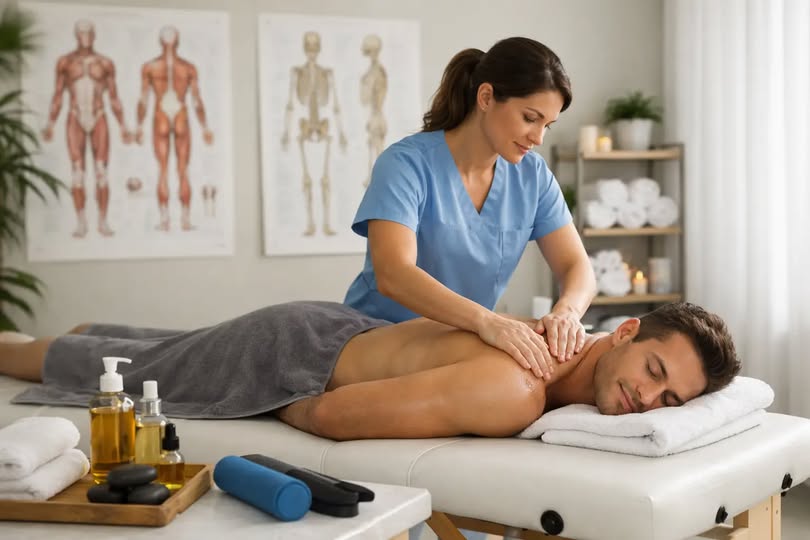
According to PRESS, recovery massage works on two fronts. First, it helps reset the nervous system, shifting your body out of a heightened stress state and into a mode where genuine repair happens.
Second, it reduces the irritated, restricted tissue that limits your range of motion. The outcome is practical: you bounce back with more mobility and less lingering discomfort.
- Nervous system regulation — calming the body’s stress response
- Tissue quality — addressing tightness that rest alone won’t release
- Restored range of motion — moving more freely, more comfortably
- Reduced ’crankiness’ — less irritation in overworked muscles
Recovery as Performance Support, Not a Spa Feeling
The most important shift PRESS makes is philosophical. They treat recovery like performance support—not a vague, feel-good spa experience.
That means the work is targeted and therapist-led, designed to make a measurable difference. Instead of generic relaxation, you get intentional treatment focused on the specific tissue that’s holding you back.
For anyone serious about training or simply surviving a demanding urban schedule, this reframing changes how you think about self-care. Recovery becomes part of the plan, not an afterthought.
What to Do After You’ve Already Done Everything Right
You hydrate. You sleep. You stretch. You take rest days. And yet the tightness lingers. Here’s a practical approach for that exact scenario.
- Recognize the signals. Persistent tightness, reduced range, and irritability are your body asking for more than passive rest.
- Prioritize nervous system reset. Downshifting from constant stress is often the missing piece—breathwork, quality sleep, and hands-on recovery work all contribute.
- Get targeted, professional work. A skilled therapist can address the specific tissue that self-care can’t reach.
- Schedule it proactively. Don’t wait until you’re broken down. Build recovery into your routine like any other training component.
- Track the difference. Notice your range of motion and comfort before and after—recovery should be measurable, not vague.
Building Recovery Into Your Weekly Rhythm
The best recovery strategy is consistent, not reactive. When you treat it as an ongoing part of your routine, you prevent the deep buildup that takes weeks to unwind.
Even small, regular investments in tissue health and nervous system regulation pay off in how you feel and perform. Your body handles the subway squeeze and the laptop glow better when it isn’t already maxed out.
The Bottom Line
”Just rest” is good advice—but it’s incomplete. Between the demands of city life and hard training, your muscles need more than time; they need targeted attention.
Recovery massage, approached as performance support, helps reset your nervous system and release the tissue that holds you back. That’s the practical answer to what you do after you’ve already done everything right.
Ready to treat recovery like it matters? Explore therapist-led recovery work at PRESS Modern Massage and give your body the reset it’s been signaling for.