
PTSD Case Reports from IJTMB Special Issue on MT and Mental Health — Research Perch 85 Explained Introduction: Why these case reports matter The recent IJTMB special issue on massage therapy (MT) and mental health includes several PTSD case reports that are highly relevant to clinicians and researchers. This article synthesizes those reports, highlights practical …


PTSD Case Reports from IJTMB Special Issue on MT and Mental Health — Research Perch 85 Explained
Introduction: Why these case reports matter
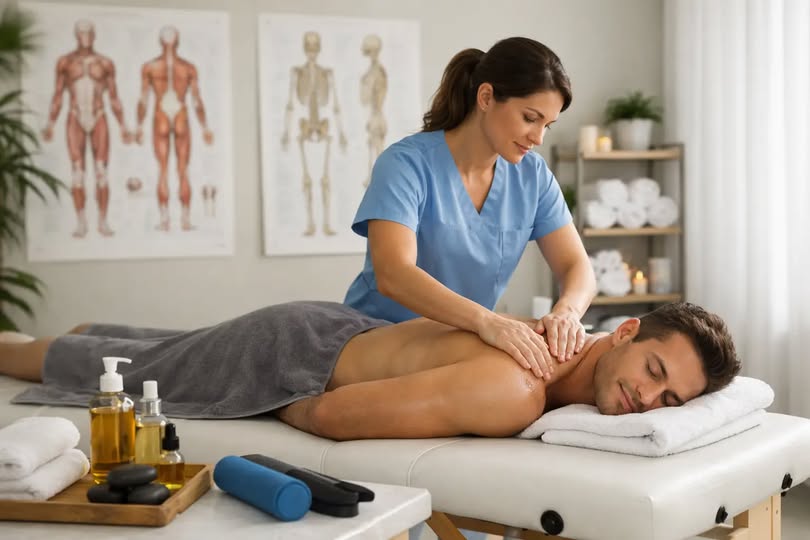
The recent IJTMB special issue on massage therapy (MT) and mental health includes several PTSD case reports that are highly relevant to clinicians and researchers. This article synthesizes those reports, highlights practical takeaways for massage therapists, and outlines research implications.
Read on for actionable guidance you can use tomorrow, plus a concise research-ready summary for colleagues and supervisors.
What the IJTMB special issue covered — quick overview
The special issue collected case reports and small clinical series examining how massage therapy has been applied to clients with post-traumatic stress disorder (PTSD). Reports focused on trauma-informed approaches, session structure, and measurable outcomes such as symptom severity and sleep.
Case reports are not randomized trials, but they offer clinical detail that informs practice and hypotheses for larger studies.
Key features of the PTSD case reports
Populations and settings
- Adults with diagnosed PTSD, including military veterans, first responders, and civilians.
- Settings varied: private clinics, community health centers, and integrated primary care.
- Some reports included comorbidities such as chronic pain and depression.
Interventions described
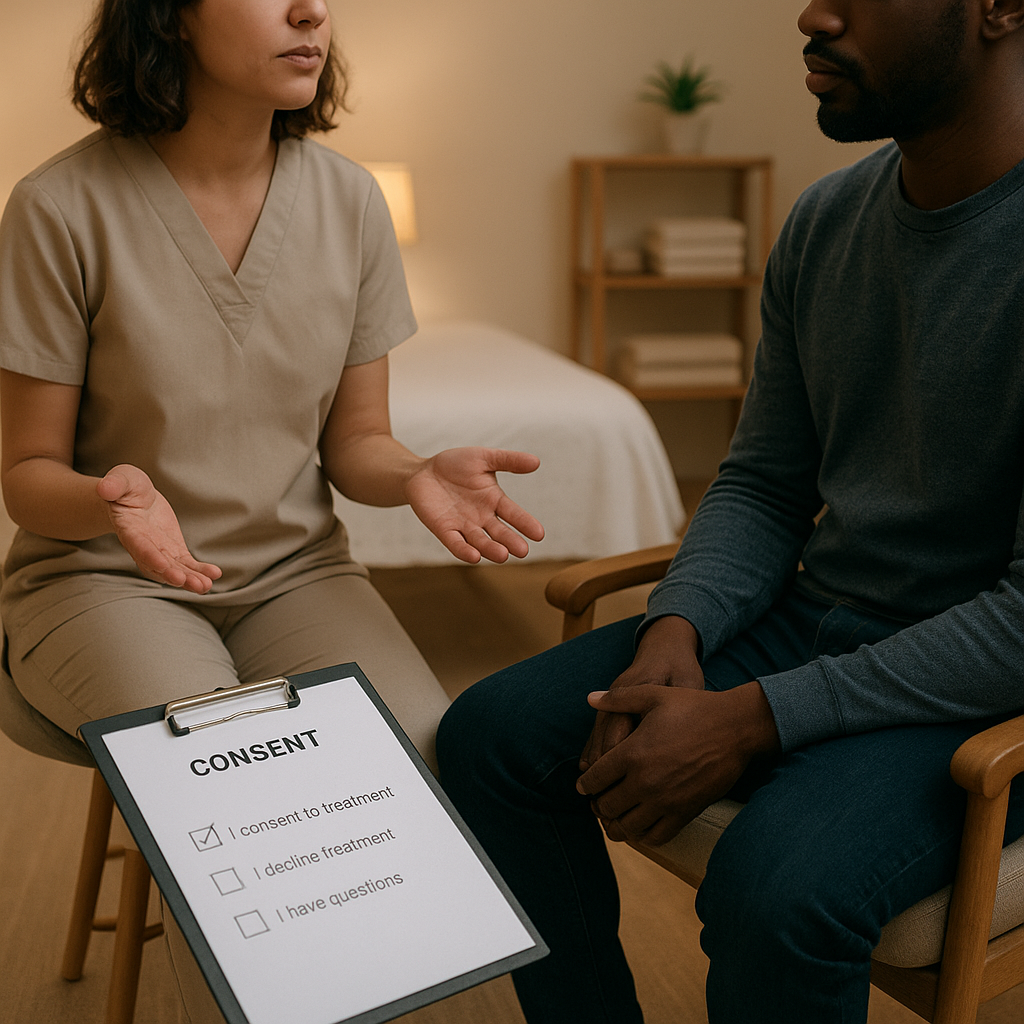
- Trauma-informed massage (TIM) principles: consent, choice, and predictable touch.
- Techniques ranged from slow, structural relaxation massage to gentle myofascial work and breath-integrated sessions.
- Session frequency and duration varied; typical courses were 6–12 sessions over 4–12 weeks.
Outcomes reported
- Improvements in self-reported PTSD symptom severity, sleep quality, and hyperarousal in many cases.
- Some clients reported better tolerance for touch and reduced avoidance behaviors.
- Case authors measured outcomes using standardized scales (where available) and narrative clinical notes.
Aggregated findings — what the case reports suggest
When you synthesize across reports, a consistent signal emerges: trauma-informed massage appears associated with symptomatic improvements in many clients with PTSD. Important caveats apply, notably small sample sizes and potential reporting bias.
- Symptom reduction: Most reports documented clinically meaningful declines in PTSD symptom scores within 6–12 sessions.
- Improved sleep: Several cases highlighted quicker sleep onset and fewer awakenings.
- Safety and tolerability: Trauma-informed protocols reduced adverse reactions to touch.
How-to: Applying these findings in clinical practice
1. Adopt trauma-informed principles
- Prioritize informed consent, offering clear options for touch location and pressure.
- Use predictable session routines and verbal check-ins before, during, and after touch.
- Allow silence and a nonjudgmental presence; do not pressure clients to disclose trauma.
2. Screening and intake
- Use brief validated screening (e.g., PC-PTSD-5) when PTSD is suspected.
- Document trauma history sensitively and note triggers and grounding strategies.
- Coordinate with mental health providers when possible; establish referral pathways.
3. Session structure and technique
- Start with a brief grounding routine (breath, orientation, sensory checklist).
- Offer options: draping modifications, hand/foot-only sessions, or table vs. chair work.
- Favor slow, nonprovocative techniques initially; integrate breathing cues and pauses.
- Monitor for increases in dissociation or panic; have pre-agreed stop signals.
4. Tracking outcomes
- Use simple repeated measures: symptom rating scales, sleep diaries, or visual analog scales.
- Document session-by-session changes and any adverse events.
- Share progress notes with client and, with permission, referring clinicians.
Practical case example — brief treatment plan
- Initial intake with PC-PTSD-5 and safety screening; obtain mental health contact info.
- Weeks 1–2: Two sessions focusing on grounding, breath-integrated hand and foot massage, 30–45 minutes.
- Weeks 3–6: Progress to short back and neck work using slow effleurage and light myofascial techniques; measure symptoms every two sessions.
- Week 8+: Reassess; if plateau, coordinate with mental health for integrated plan or consider adjunct modalities.
Research takeaways and recommendations
The case reports in the IJTMB issue highlight important signals but leave open key questions for robust research. Below are priorities to strengthen the evidence base.
- Larger controlled studies: Randomized or pragmatic trials comparing trauma-informed MT to active controls are needed.
- Standardized protocols: Use defined TIM protocols so outcomes are comparable across studies.
- Core outcomes: Predefine measures (PTSD scales, sleep metrics, functional outcomes) and adverse event reporting.
Limitations to keep in mind
- Case reports are vulnerable to selection bias and anecdotal amplification of positive outcomes.
- Heterogeneous interventions and outcome measures limit synthesis and meta-analysis.
- Findings should guide hypothesis generation, not definitive clinical guidelines.
Conclusion — pragmatic summary
The IJTMB special issue case reports offer promising, practice-focused insights: trauma-informed massage can be safe and beneficial for some clients with PTSD when applied carefully.
For clinicians: adopt TIM principles, screen and document consistently, and track client outcomes. For researchers: design standardized, well-powered studies to test efficacy and mechanisms.
Call to action
If you work with clients who have PTSD, begin integrating one TIM adjustment this week and track outcomes. For researchers and interested clinicians, read the IJTMB special issue, share this synthesis with colleagues, and consider collaborating on standardized outcome studies.
Want a ready-to-use TIM checklist for intake and session notes? Subscribe to Research Perch updates or contact your professional association to access evidence-informed tools and templates.


![Pathways to Research for Massage Clinicians [Research Perch 86]](https://massagegoteborg.nu/wp-content/uploads/2026/07/pathways-to-research-for-massage-clinicians-research-perch-86-150x150.png)