
Pathways to Research for Massage Clinicians [Research Perch 86] Research skills are no longer optional for massage clinicians who want to advance practice, improve patient outcomes, and influence policy. This guide distills clear pathways into research for massage therapists, drawing practical steps from Research Perch 86 and expanding them into an actionable roadmap. Why research …

![Pathways to Research for Massage Clinicians [Research Perch 86]](https://massagegoteborg.nu/wp-content/uploads/2026/07/pathways-to-research-for-massage-clinicians-research-perch-86.png)
Pathways to Research for Massage Clinicians [Research Perch 86]
Research skills are no longer optional for massage clinicians who want to advance practice, improve patient outcomes, and influence policy. This guide distills clear pathways into research for massage therapists, drawing practical steps from Research Perch 86 and expanding them into an actionable roadmap.
Why research matters for massage clinicians
Evidence builds credibility. Clinicians who can generate or interpret research make better treatment decisions and contribute to the profession’s credibility with patients, insurers, and healthcare partners.
Participating in research strengthens clinical reasoning and creates opportunities—career advancement, conference presentations, and collaboration with other health professionals.
Key benefits
- Improved patient care through outcome tracking and reflective practice.
- Professional recognition via publications, presentations, and grant awards.
- Expanded networks with academics, clinicians, and research organizations.
Overview: primary research pathways available
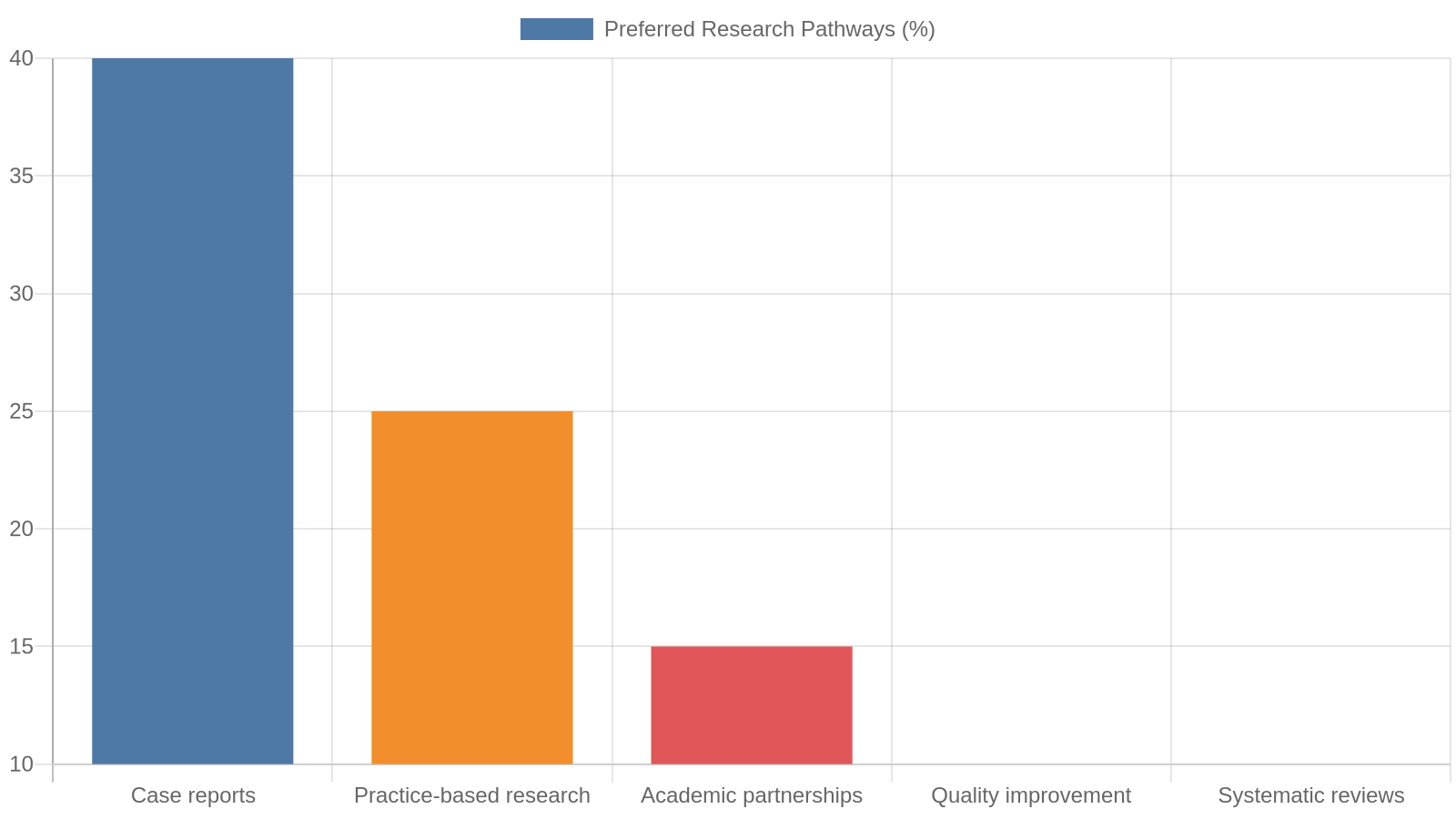
Massage clinicians can engage with research across several realistic pathways. Each pathway differs in time commitment, required training, and potential impact.
- Clinical case reports and case series
- Practice-based research and quality improvement (QI)
- Partnerships with academic institutions
- Systematic reviews and secondary analyses
- Small pilot studies and grant-funded projects
- Continuing education and certificate programs focused on research methods
Below are practical descriptions, benefits, and steps for each pathway.

1. Case reports and case series
Best for: clinicians starting with limited time or resources. Case reports document individual patients with clear diagnostics, intervention details, and measurable outcomes.
How to do it well
- Use validated outcome measures (e.g., VAS, NRS, PROMIS) and report pre/post results.
- Include clear patient consent and de-identify all data.
- Follow reporting guidelines (CARE guidelines for case reports).
2. Practice-based research and quality improvement (QI)
Best for: clinics wanting to study their own processes or outcomes. Practice-based research can be embedded into daily care and produce scalable insights.
Quick start checklist
- Define a focused question (e.g., ”Does a 6-week massage protocol reduce opioid use in chronic low back pain patients?”).
- Select simple, repeatable measures and a timeframe.
- Use spreadsheets or basic EHR exports to collect data consistently.
3. Academic partnerships
Best for: clinicians seeking mentorship, larger samples, or formal research training. Partnerships open access to IRB support, statistical expertise, and publication pipelines.
How to approach partners
- Identify faculty with interests in complementary areas (pain, rehabilitation, integrative health).
- Offer practical clinical insight and patient access; ask for methodological and IRB support in return.
- Start with pilot projects to build trust and generate preliminary data.
4. Systematic reviews and secondary analysis
Best for: clinicians who prefer literature-based work over collecting primary data. Systematic reviews synthesize existing studies and can highlight gaps in massage research.
Steps to publish a review
- Formulate a clear PICO question and register the review protocol (e.g., PROSPERO).
- Use systematic search strategies and involve a librarian if possible.
- Follow PRISMA reporting standards for transparency.
5. Pilot studies and grants
Best for: clinicians ready to scale up and seek external funding. Pilot studies prove feasibility and strengthen grant applications for larger trials.
Funding and design tips
- Start with small, focused pilot studies (n=20–50) to test procedures and retention.
- Look for small grants from professional foundations, local health organizations, or internal university seed funds.
- Include patient-reported outcomes and simple cost analyses to appeal to funders.
Design fundamentals every clinician should know
Good design keeps projects feasible and publishable. Focus on clarity, reproducibility, and ethical conduct from day one.
Core elements
- Question: One focused question avoids scope creep.
- Outcomes: Use validated tools and keep them brief.
- Sample: Define inclusion/exclusion criteria and realistic recruitment strategies.
- Ethics: Seek IRB or ethics board review early—many QI or case report activities still require oversight.
How to start: an 8-step action plan for clinicians
- Clarify your motivation: patient care, career growth, policy influence.
- Choose the right pathway for your time and resources (see above).
- Create a one-page project plan: question, methods, outcomes, timeline.
- Identify collaborators and a mentor—local universities, nursing, PT, or public health are good starts.
- Secure ethics clearance or document why your project fits QI exemptions.
- Collect data using simple, standardized forms or EHR exports.
- Analyze with free tools (Excel, RStudio) or partner with a statistician for complex tests.
- Write an abstract and submit to local conferences; aim for one poster or paper per project.
Measures, tools, and templates to adopt now
Choosing validated instruments improves credibility and comparability. Use short, validated tools when possible to reduce burden.
- Pain: Numeric Rating Scale (NRS) or Visual Analog Scale (VAS).
- Function: Oswestry Disability Index, QuickDASH for upper extremity, or PROMIS physical function.
- Quality of life: EQ-5D or PROMIS Global Health.
- Patient satisfaction: brief clinic-developed surveys or Net Promoter Score (NPS).
Common pitfalls and how to avoid them
- Too broad: Narrow the question before data collection.
- Poor measurement: Use validated tools and document timing.
- No ethics review: Consult an IRB—delays are worse than asking early.
- Data loss: Back up data and use standardized entry fields.
How to publish and present your work
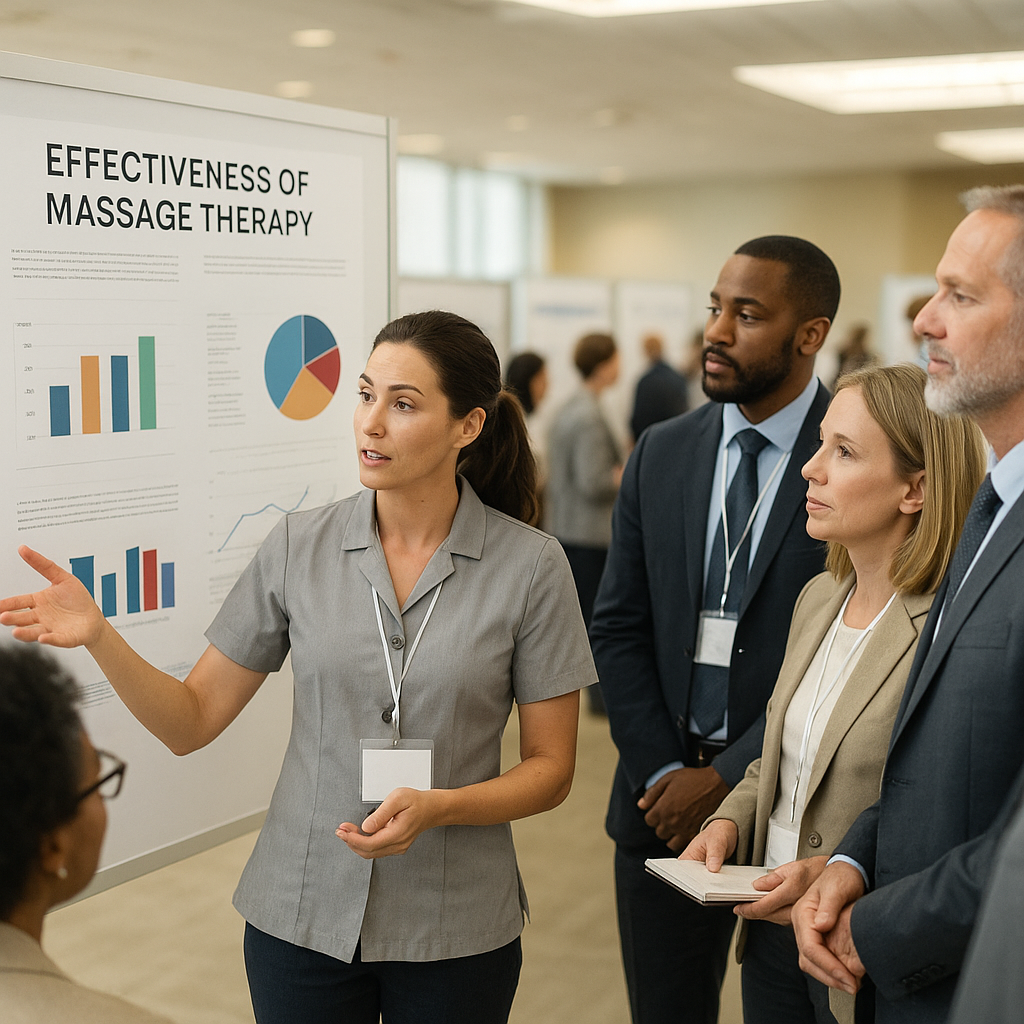
Start small: local conferences, trade journals, and practice-based networks are attainable venues. Use clear, concise abstracts that emphasize practical clinical implications.
When aiming for peer-reviewed journals, match the study design to the journal scope and follow author guidelines closely.
Resources, funding, and communities
- Professional foundations and small grant programs (apply for pilot funding designed for clinicians).
- Practice-based research networks and clinician-researcher mentorship programs.
- Open-access training: Coursera, edX, and university extension courses on research methods and statistics.
Putting it into practice: a 3-month starter plan
- Month 1: Pick a question, identify measures, and seek a mentor.
- Month 2: Pilot data collection with 5–10 patients, refine forms and procedures.
- Month 3: Analyze pilot data, draft an abstract, and identify a conference or local journal.
Conclusion
Pathways to research for massage clinicians are varied and accessible. Whether you write a case report, join a practice-based network, or partner with an academic, the steps above will move you from idea to impact.
Start small, prioritize ethics and valid measures, and build collaborations. Each project strengthens the evidence base and raises the profile of massage therapy in healthcare.
Call to action
Ready to take the next step? Choose one pathway above and commit to the 3-month starter plan today. Share your project idea with a mentor or professional group—then come back and publish what you learn.