

Community Service Award 2026 Application Season Wrap Up The 2026 Community Service Award (CSA) application season closed with record participation, bold project ideas, and clearer signals about where community-driven massage therapy work is heading. This wrap-up summarizes the numbers, highlights the strongest project themes, explains what set successful applications apart, and gives step-by-step guidance to …

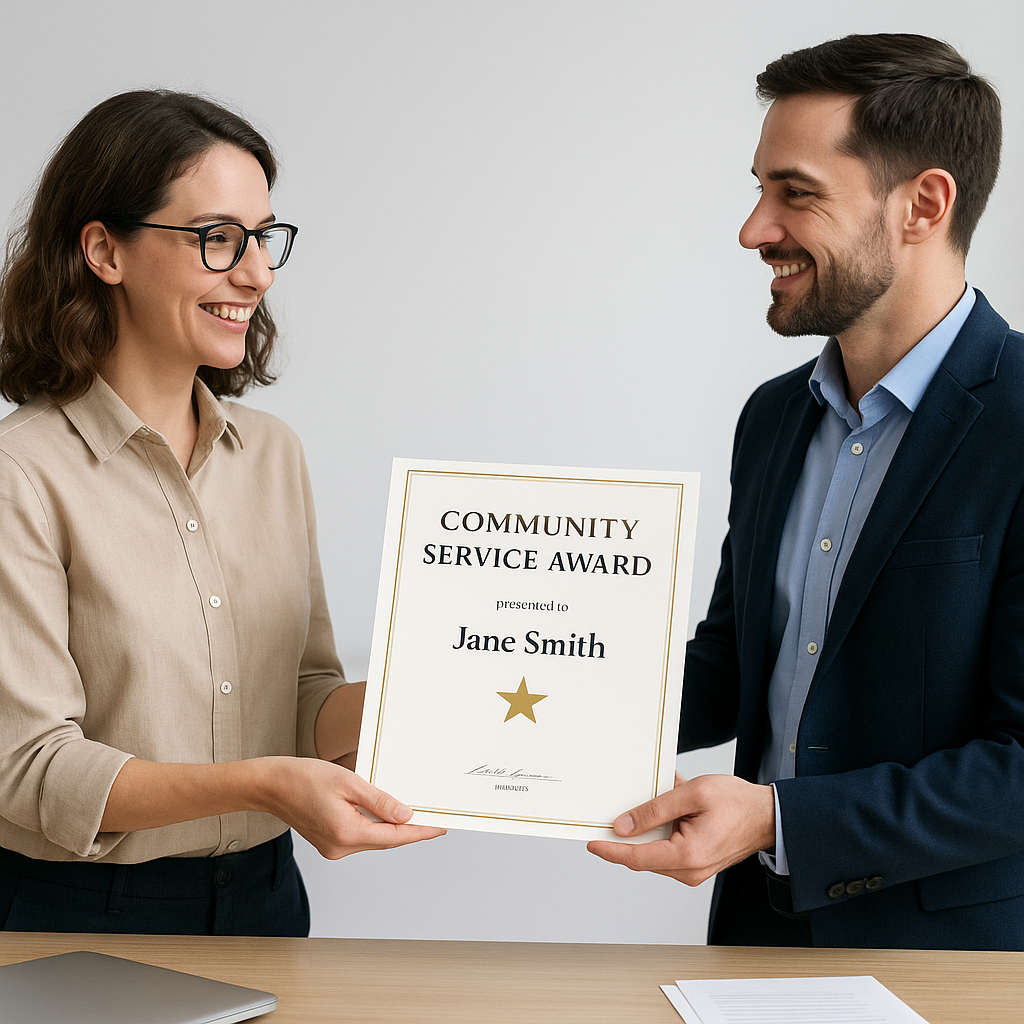
Community Service Award 2026 Application Season Wrap Up
The 2026 Community Service Award (CSA) application season closed with record participation, bold project ideas, and clearer signals about where community-driven massage therapy work is heading.
This wrap-up summarizes the numbers, highlights the strongest project themes, explains what set successful applications apart, and gives step-by-step guidance to help you submit a winning application next season.
Why this wrap-up matters
Whether you applied, supported an applicant, or plan to apply in 2027, these insights will help you:
- Understand selection priorities and trends.
- Benchmark your project idea and budget.
- Avoid common pitfalls that cost applicants credibility.
Key numbers & high-level trends
The CSA 2026 season saw notable growth in both quantity and quality of applications. Below are the most useful top-line metrics for applicants and reviewers alike.
- Total applications: 140 (a 27% increase over 2025).
- Funded projects: 18 multi-tier awards across grant and in-kind support.
- Average award size: $7,200 (range $1,000–$25,000).
- Common project focuses: clinical service expansion, community education, research partnerships, and disaster-response programs.
Here’s a breakdown by project focus to help you see where demand and impact concentrated this year.
Application volume and momentum (2022–2026)
Applications have been rising steadily. Review committees are seeing more polished proposals and more projects that integrate measurable evaluation methods.
What reviewers rewarded this season
While projects varied widely, reviewers consistently favored proposals that demonstrated the following:
- Clear, measurable outcomes: Defined metrics, realistic data-collection plans, and credible evaluation timelines.
- Community partnership: Letters of support and evidence of sustained collaboration with local organizations.
- Feasible budgets: Line-item budgets tied to project milestones and matching fund or in-kind sources.
- Equity and access: Plans to reach underserved populations and remove participation barriers.
Snapshots of awarded projects (themes, not names)
The funded projects illustrate the award’s range: mobile clinic expansion, school-based wellness programs, rapid-response disaster care teams, grassroots research pilots, and provider training for trauma-informed care.
Common success elements across winners included defined staffing plans, a pilot-to-scale pathway, and built-in participant feedback loops.
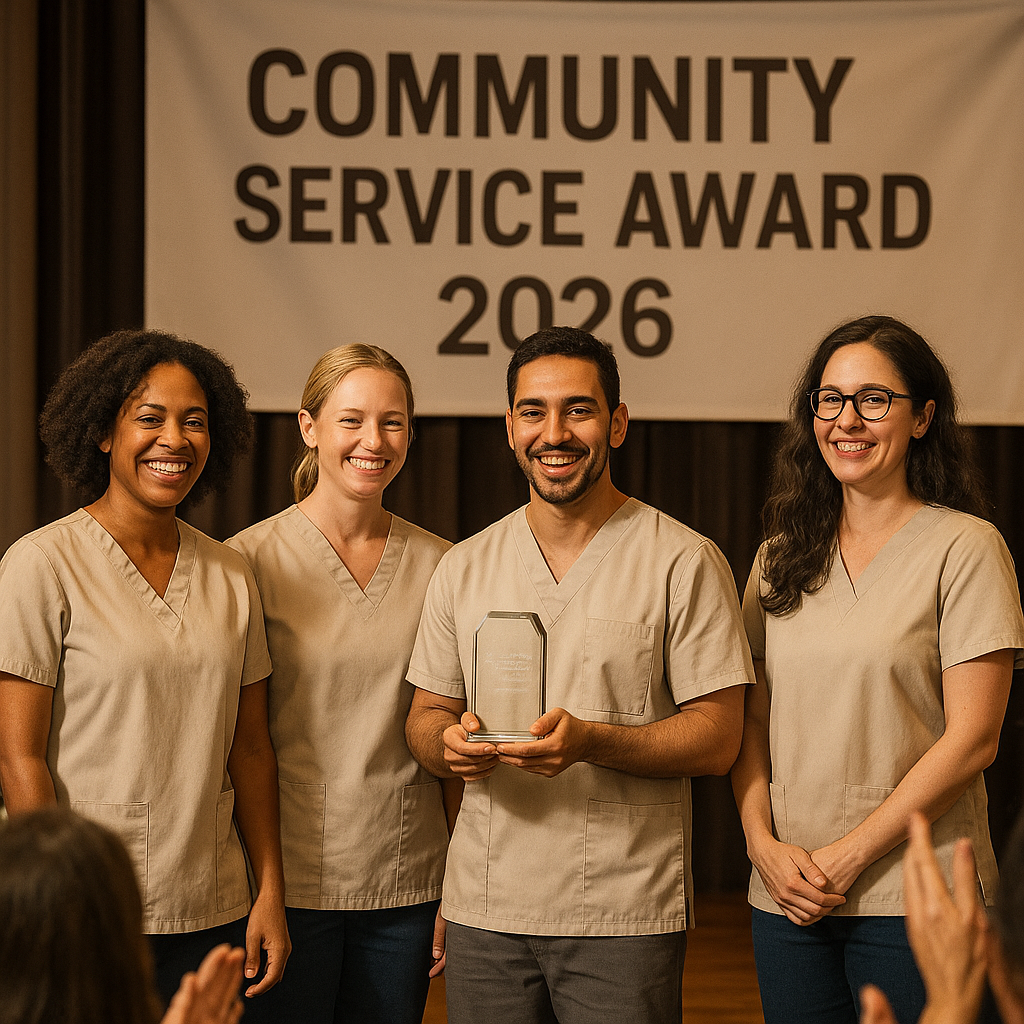
How to prepare a stronger CSA application — step-by-step
Follow this checklist-driven approach to make your next application competitive.
-
Start early (3–6 months).
Scope the problem, confirm community partners, and draft evaluation measures well before the call for applications opens.
-
Define crisp objectives.
Turn broad aims into 2–4 measurable objectives using SMART language (Specific, Measurable, Achievable, Relevant, Time-bound).
-
Create a realistic budget.
Use a line-item format: staffing, supplies, travel, evaluation, admin. Explain assumptions and include quotes for expensive items.
-
Build evaluation into the project.
List primary and secondary outcome measures, data collection methods, and who will analyze results.
-
Secure partner letters early.
Get short, targeted letters that confirm roles, resources, and commitment—avoid generic endorsements.
-
Prepare supporting documents.
Have resumes, organizational budgets, prior project summaries, and photos ready to upload to save time.
-
Peer review your draft.
Ask a colleague to check clarity, budget realism, and whether your metrics actually measure impact.
Checklist: must-have application elements
- One-page project summary
- Detailed budget with assumptions
- Evaluation plan with tools and timelines
- Letters of support from at least one partner
- Proof of organizational eligibility
Common mistakes that sink applications
- Vague outcomes without measurement plans.
- Budgets that lack justification or realistic cost estimates.
- Letters of support that are unsigned, generic, or not from active partners.
- No plan for sustainability beyond the award period.
- Overstating reach or impact without baseline data.
Practical tips from reviewers
- Use plain language—make your project understandable in one page.
- Quantify expected reach (e.g., number of clients served, sessions delivered).
- Include a one-year and three-year timeline to show short-term wins and longer-term thinking.
- Be transparent about risks and mitigation strategies.
Looking ahead: timeline & next steps for 2027 applicants
Based on this season, successful applicants should plan the following timeline:
- Pre-application planning: 6–4 months before opening
- Drafting & partner sign-off: 3–2 months before opening
- Final submissions & peer review: 1 month before closing
- Award notifications: 6–8 weeks after closing
Subscribe to the CSA mailing list, attend any applicant webinars, and request sample successful proposals when available.
Conclusion
CSA 2026 demonstrated stronger alignment between community need and project design, plus a rising emphasis on measurable outcomes and partnership depth.
If you plan to apply next year, use the timelines, checklist, and reviewer tips above to shape a focused, fundable proposal.
Call to action: Sign up for updates, download the application checklist, and start refining your project plan now—earlier preparation equals stronger impact and a higher chance of funding.

![Pathways to Research for Massage Clinicians [Research Perch 86]](https://massagegoteborg.nu/wp-content/uploads/2026/07/pathways-to-research-for-massage-clinicians-research-perch-86-150x150.png)